Skip to main content

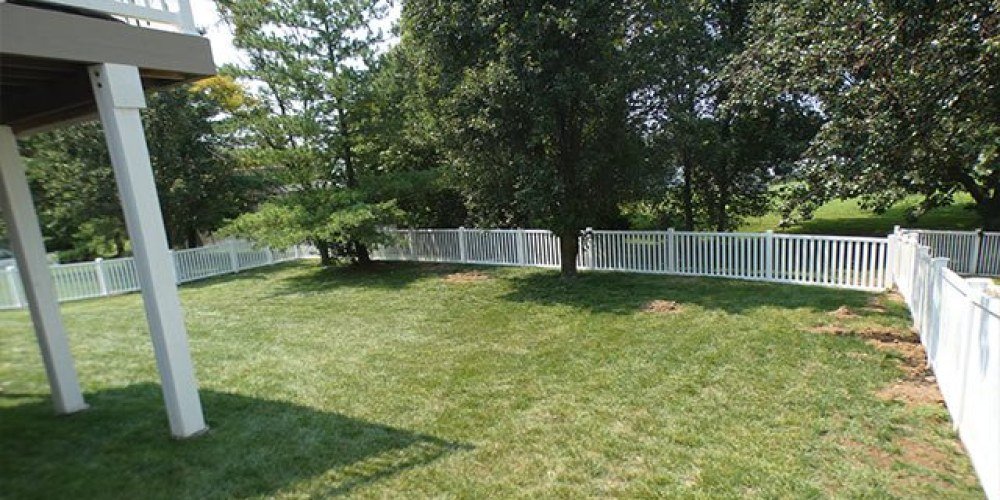
A maintenance-free fence is a fence made of vinyl, aluminum, ornamental steel or composite, materials that never need painting, staining or sealing. It is not a fence that never needs a hose, so the honest name for it is a low-maintenance fence.
The sections below show what each material is made of, the small chore each one still asks for and where a maintenance-free fence can disappoint. When you want one installed, a residential fence company in St. Louis can price it for you, and we have served the area since 1994, as the BBB business profile shows.
We are also a listed Catalyst installer, and Catalyst makes the vinyl and composite styles we sell.
Maintenance-free means no painting, staining or sealing.
It does not mean no washing, so plan on a rinse once or twice a year.
Maintenance-Free Fence Materials: What Each One Is Made Of
You can choose from four maintenance-free fence materials, and each one avoids paint a different way. Wood and chain link are not on the list, because we sell neither one.
Vinyl
A maintenance-free vinyl fence is made of PVC plastic. Fence-grade vinyl has titanium dioxide mixed in, a white pigment that blocks sunlight, so a good white fence keeps its color. Plain PVC without it yellows in the sun.
Aluminum
Aluminum does not rust. Its color comes from a powder-coat finish, not from paint you apply later. It is also the lightest of the four.
Ornamental steel
Ornamental steel is the strongest of the four. Its powder-coat finish is cured at the plant before the fence ships, and that coat is what keeps steel from rusting.
Composite
Composite here has an outer shell of polyethylene plastic and galvanized steel inside it. It is sold as a solid privacy fence, with no wood in it.
What Does Maintenance-Free Fencing Still Need? A Chore List
Each material needs a small chore, and one tool or cleaner that can harm it. This table lists both. The guide to cleaning a fence has the full steps, so you can match yours.
| Material | It never needs | The chore | Do not use |
|---|---|---|---|
| Vinyl | Painting, staining or sealing | A hose and mild soap, and a vinegar mix for green algae on a shaded side | A pressure washer above 2,000 PSI, or held closer than a foot |
| Aluminum | Painting or rust treatment | A damp cloth a few times a year, or soap and water for sticky spots | Vinegar or any acid, which strips the powder coat |
| Ornamental steel | Painting, while the coating is whole | Hand washing with soap and a soft brush for the scrollwork | A pressure washer, which can chip the coating and let steel rust |
| Composite | Painting or staining | A soft cloth and warm water, and a vinegar mix for algae in the grain | Vinegar left on without a full rinse |
The pattern is simple. Dirt and algae are the only enemies, and a gentle wash beats a strong one.
Once a year, spend a minute on a check like this.
- Rinse the fence. A garden hose clears pollen and winter mud.
- Look at the shaded side. Green film means algae, so use the cleaner for your material.
- Look for damage. Check vinyl for cracks and steel for chips in the coating.
What Type of Fence Has the Least Maintenance? Test Each One Against the Weather
Aluminum asks the least of the four, so it is the usual pick for a busy owner. Steel asks a little more because of its scrollwork. Choose a season below and watch what each fence asks of you.
| The weather | What each fence asks of you |
|---|---|
| Summer sun | Nothing but a hose rinse. The vinyl pigment blocks sunlight, and the aluminum, steel and composite finishes need no paint. |
| Winter freeze | Vinyl can crack if something hits it hard on a freezing day. Aluminum bends more easily than steel, so keep heavy impacts away. |
| Rain and shade | Green algae can grow on vinyl, steel and composite. Use the one-to-four vinegar mix, then rinse. On aluminum use soap and water only. |
| Road salt | Hose the salt off in spring. Wipe steel by hand, so the powder coat stays whole. |
Where Maintenance-Free Fencing Can Disappoint
No fence is free of every problem. Know these limits before you sign anything.
- Vinyl can crack in deep cold. A hard bump on a freezing day does more damage than the same bump in summer.
- Aluminum bends more easily than steel. It suits a yard line, but not a spot where a truck or a heavy gate may hit it.
- A chipped coat on steel needs attention. Bare steel rusts, so a chip is worth touching up early.
- A style can be discontinued. A maker can drop a style, and then a later section may not match.
The last limit is the one that surprises people, and a job in Imperial shows it. On the Emht job we built 160 feet of white vinyl spaced picket fence in two days in July 2026. The owner wanted it to match the neighbor’s fence, which went in about 10 years before.
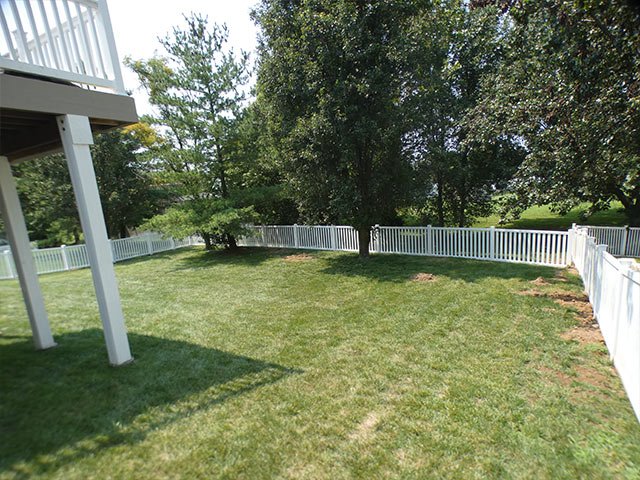
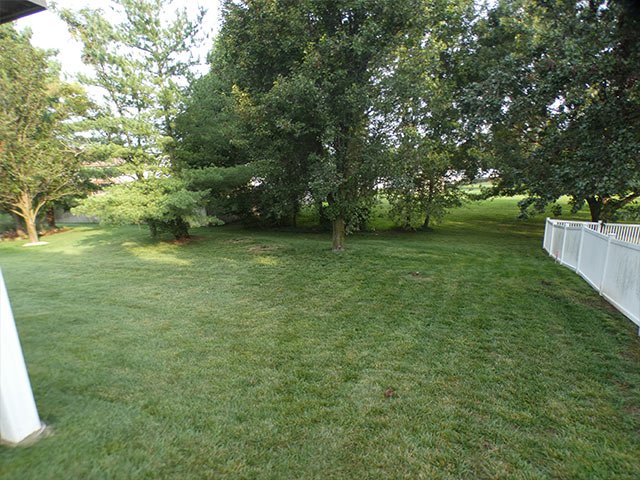 BeforeAfter: 160 feet of white vinyl
Drag across the photo to compare. The Emht yard in Imperial, July 2026.
The older fence was still standing after a decade, with its posts and structure intact. The style was no longer made. We set a sample panel of the closest current style beside it, and the owner compared the two before choosing. Read the full Emht case study.
Fence Warranty: What the Maker and the Installer Cover
Maintenance-free does not mean covered forever. The maker covers the product, and we cover our work.
- Elite backs its aluminum fence with a lifetime limited warranty.
- Ameristar backs its Montage steel for homes with a lifetime limited warranty, and Montage II with 20 years.
- Our installers guarantee their work for one year, and the year starts when we finish the job.
Warranty terms differ by grade, so ask for the terms of the exact product you buy, in writing. Our aluminum vs steel guide shows where those numbers come from.
Maintenance-Free Fencing vs Wood: What You Stop Doing
A wood fence has to be cleaned and stained again every year to last. A maintenance-free fence trades that chore for a rinse. Two guides go deeper: vinyl vs wood and how long a vinyl fence lasts.
Prices live in two other guides, on aluminum fence costs and on vinyl fence costs. Slope, gates and removing an old fence change any number, so a written price follows a visit.
Know where this guide stops. It is not for a split panel, a tilting post or exposed bare metal, because each needs replacing and no cleaner fixes those. It is also not a bid, since only a visit to your yard can set a price.
Describe your yard on the phone, and we will tell you which material needs the least care.
Want a price in writing? Book a visit. We walk your fence line with you and send the price afterward. The visit is free and carries no obligation. Most visits happen within 1 to 4 days, and our installation work carries a one-year guarantee.
Book your fence visit Prefer the phone? Call 636-464-1144
Building it yourself? The fence supply store sells the same materials. The rest of your yard may want decking or lighting, and we supply both.
To see what sets the company apart, read about the Maintenance-Free Advantage. To meet the people, visit Tim Kelley and the team. The fencing options guide covers more materials.
Fence Questions, Answered
What is the best low-maintenance privacy fence?
For most yards the usual maintenance-free privacy fence is solid vinyl. It needs only a rinse, and a 6 foot white style is in stock. Composite is the other choice for full privacy, and it is a special order. Ask for a written price for both.
Is composite fencing really maintenance-free?
Mostly. It needs no painting or staining, but any vinegar you use on algae must be rinsed off fully, because the acid can react with the steel inside over years of repeated exposure. It is also a special order and its panels are solid, so it suits privacy and not an open view.
Does a new maintenance-free fence need a permit?
In the City of St. Louis, yes. New fences need a permit, according to the city residential permit page. Each other city, and St. Louis County, writes its own rules. Call your own building office before you order.
Can I buy maintenance-free fence materials and build it myself?
Yes. The fence supply store sells vinyl, aluminum, steel and composite to homeowners and contractors. A 6 foot white vinyl privacy fence and a 4 foot white closed picket fence are in stock, and everything else is a special order. You get the maker warranty, and our one-year guarantee covers only fences we install.
Can a maintenance-free fence follow a sloped yard?
Yes. Level ground takes flat aluminum sections. A steeper yard takes rackable sections, which tilt the rails to match the grade and keep every picket upright. Point out each change in grade at the visit, since the slope decides which section is used.