 Skip to main content
Maintenance-Free Outdoor Solutions builds vinyl, aluminum, steel and composite fence across St. Charles, Missouri. Charles, Missouri. Side and rear yards here allow seven feet, a foot more than most of the metro, and the front yard is measured picket by picket.
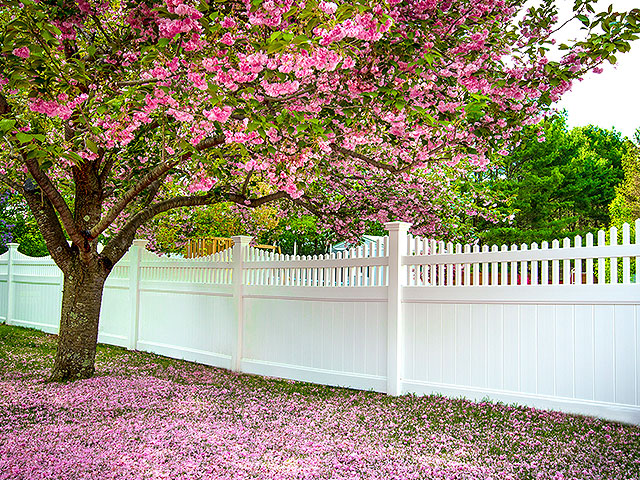
St. Charles gives you more height than almost anywhere else we work. A fence in a side or rear yard may be up to seven feet regardless of picket spacing. Most cities in this metro stop at six.
The front yard is where the code turns precise. A fence there may be four feet at most, and the gaps between the pickets have to be equal to or greater than the width of the pickets themselves. That is a measurement, not a general instruction to keep it open.
A permit is required to build a fence and to replace one. And if the property sits in the Historic Downtown District or the South Main Historic Preservation District, or it is a corner lot inside a superimposed historic district, the design goes to the Landmarks Board first.
Why Customers Choose Maintenance-Free Outdoor Solutions
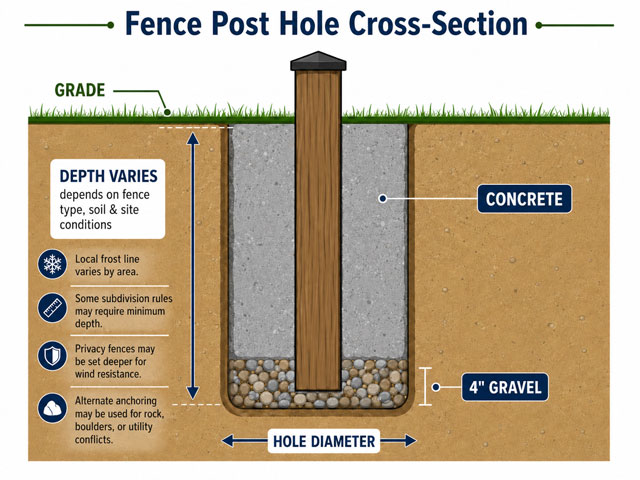
The ground is genuinely good here. St. Charles sits on Menfro, the deep loess capping the bluff above the Missouri, and it is close to ideal for setting a post: silty, deep, well drained, no rock to fight. Urban land and Harvester cover the developed stretches, and toward the river it drops to Dockery, Treloar and SansDessein bottomland. The one thing loess does not forgive is water finding a new path, which is why the code puts stormwater flow on the property owner.
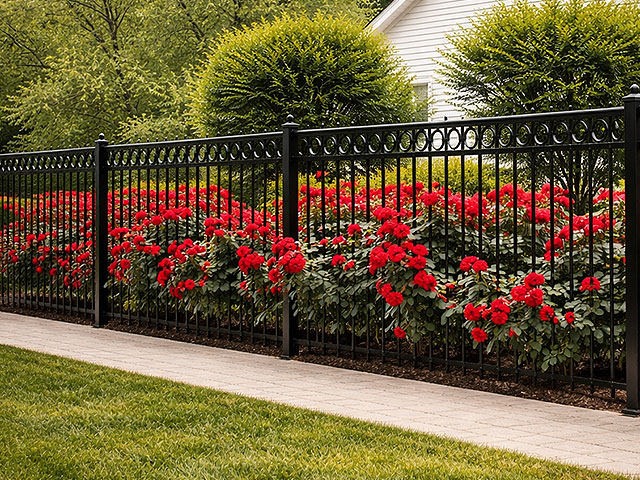
- Seven Feet, Not Six. Side and rear yards in St. Charles allow up to seven feet regardless of picket spacing. If privacy is the point, this city gives you more of it than its neighbors do.
- Posts Hidden From Both Sides. The code requires support posts to sit inside the fence area or be hidden from the neighbor’s view and the public’s. That is stricter than the usual finished-side-out rule, and it decides the panel style.
- 25 Years To Lifetime Warranties. All our vinyl fencing products carry at least 25-year manufacturing warranties, most of them lifetime.
- Installed By Our Own Crews. Your fence is built by our own people rather than handed to a subcontractor. The crew that quotes it is the crew that stands behind it.
- Nothing To Repaint Or Match Later. A missing picket has to be replaced within forty-five days with material of the same type and quality, and painted finishes have to be kept as designed. Vinyl and aluminum sidestep both obligations.
- Financing Available. Financing through Synchrony for qualified buyers.




Which Fence Type Fits Your St. Charles Property?
St. Charles limits the materials rather than the styles. Cloth, slatted metal, sheet metal, corrugated metal and canvas are all out, and no fence may combine more than two different types of material. Everything below sits comfortably inside that.
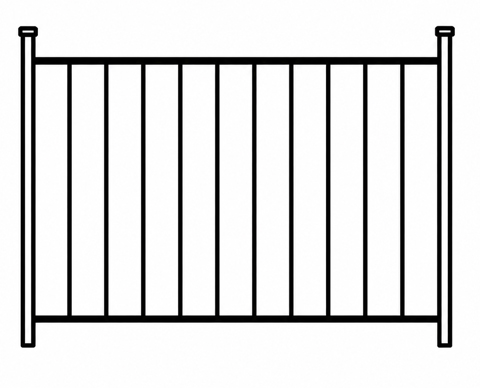
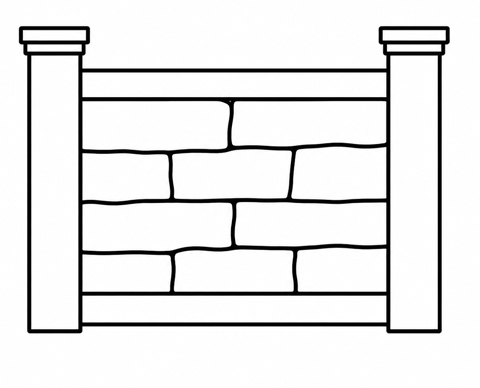
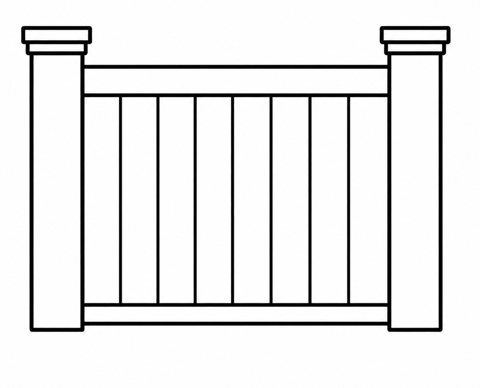
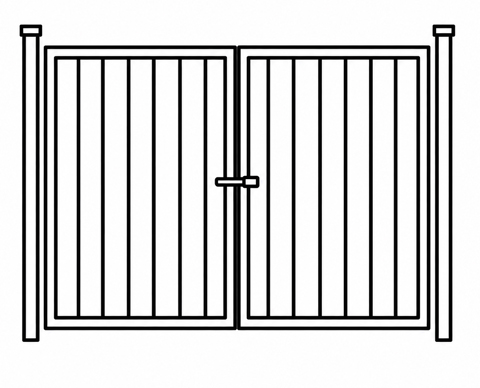
What Fence Styles Are Popular for St. Charles Homes and Businesses?
St. Charles asks two different things of a fence, and the answers sit on opposite sides of the house.
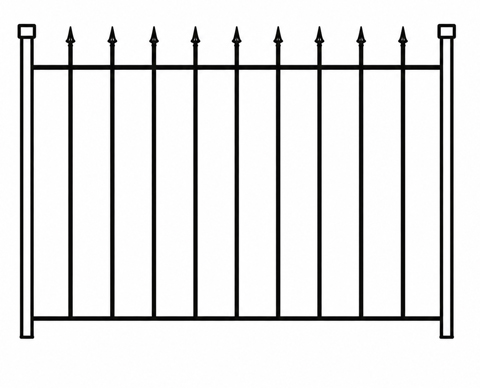
In the front yard the rule is arithmetic. Four feet maximum, and the space between pickets must be at least as wide as the pickets. Anything taller or tighter is prohibited on a single frontage lot. Aluminum picket and open vinyl picket are what work there, and a lower run of either tends to read as deliberate rather than apologetic.
Corner lots get an extra option. On the side that is not the principal entrance, a taller fence up to seven feet is allowed if it is set back at least ten feet from the property line and stays clear of the corner visibility requirement.
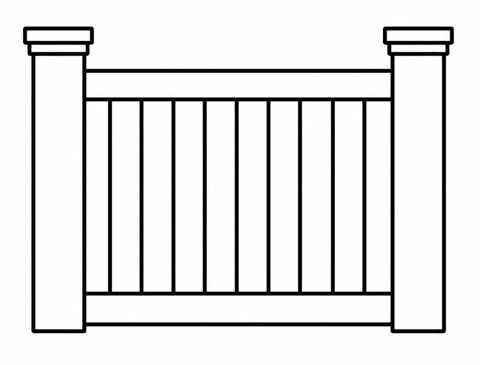
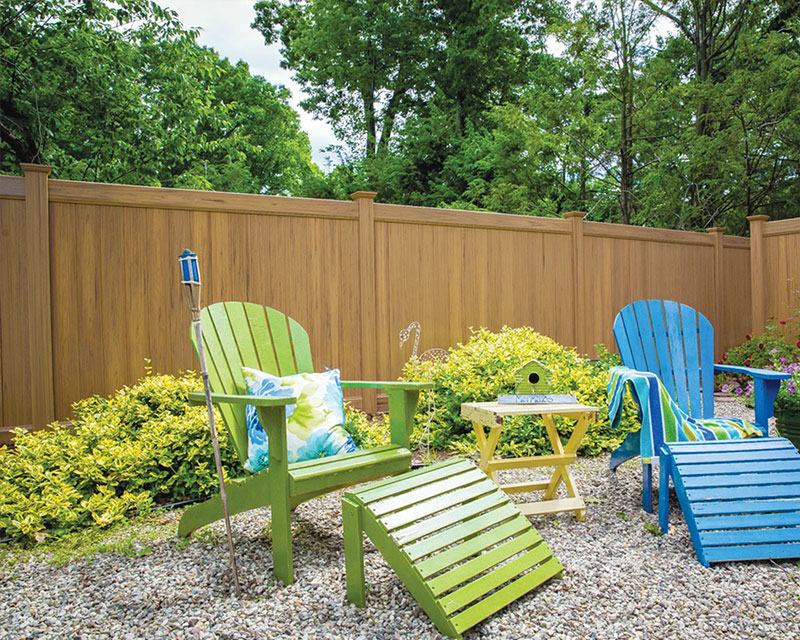
Behind the front yard the ceiling lifts to seven feet with no picket spacing rule at all. Solid vinyl and composite privacy panels do their best work here, and that extra foot earns its keep when a neighbor’s deck looks straight down into your yard.
The construction rule shapes the design more than people expect. Posts and rails have to be hidden from both sides, so a panel that shows its frame to the neighbor will not pass. Board on board and concealed rail vinyl systems answer that cleanly.
Fences also have to be straight and run parallel to the lot line, which makes knowing where that line actually falls more than a formality.
A Clear Fence Installation Process for St. Charles Properties
St. Charles wants a permit for a new fence and for a replacement, and some addresses need the Landmarks Board as well. We establish which applies before anything else happens.
Free
Estimate
We walk the property, find the front yard line, look at where water runs and price it. No charge.
Onsite
Consultation
Picket spacing, gate swing, corner visibility and whether your lot has one frontage or two all change what is allowed.
Layout and Quote
Review
We order nothing until the run, the height, the style and the figure are settled with you.
Permit and Landmarks Check
We file the fence permit, and where the property sits in a historic district or on a historic corner lot we take the design to the Landmarks Board and wait for approval.
Scheduling and Installation
Our own crew sets the posts in the deep loess this city is built on, and keeps the run straight and parallel to the line as the code requires.
Cleanup and Final Walkthrough
We take the mess with us and walk you along the completed fence at the end.
What Should You Know About St. Charles Fence Rules?
St. Charles has revised these rules repeatedly since 2016, so a fence put up ten years ago was built to different limits.
St. Charles sets its fence standards in Section 400.550 of the zoning code, amended several times since 2016.
A permit is required for the construction or replacement of a fence, with the fee set out in the city fee schedule. Fences in the Historic Downtown District, the South Main Historic Preservation District, and all fences on corner lots in superimposed historic districts require approval by the Landmarks Board. The property owner is also responsible for ensuring the fence does not block or obstruct the flow of stormwater.
In a residential front yard, a fence or wall no more than four feet in height, with the distance between its pickets equal to or greater than the width of those pickets, may project into the required front yard.
Anything taller than four feet, or with gaps narrower than the pickets, is handled separately. On a single frontage lot it is prohibited in the front yard. On a double frontage lot, excluding corner lots, it may project into the front yard space at the rear of the building, provided no part of that frontage serves as the principal entrance for any lot in the block. Those fences may not exceed seven feet, and the design, color and material must be complementary to or match the color of the principal structure.
On a corner lot such a fence is prohibited in the required front yard on the side used as the principal entrance. On the side that is not, it may reach seven feet if it is set back at least ten feet from the property line and complies with the corner visibility requirement.
In a side or rear yard a fence may be up to seven feet regardless of picket spacing.
Barbed wire, single strand wire, wire mesh, wire grid and chicken wire are prohibited along the perimeter of a residential property, as are electrically charged fences.
Construction is regulated too. Fences must be built so the horizontal and vertical support posts sit inside the fence area or are hidden from both the neighbor’s and the general public’s view, and they must be straight and run parallel to the lot line. No more than two different types of fencing material may be used, and no fence may be made in whole or in part of cloth, slatted metal, sheet metal, corrugated metal, metal scraps or canvas.
Maintenance is enforceable. Fences have to be kept upright, missing boards, pickets or posts must be replaced within forty-five days with material of the same type and quality, and fences designed for painting must be maintained in their original condition as designed.
What Do St. Charles Customers Say?
This is a city where a fence gets looked at by more people than usual. Worth knowing who you are handing that to.
We hold a 4.7 star average on Google. Read the reviews on Google.
★★★★★
I own child care centers and have been doing business with this company for years. Never will you find a more professional company. In the many jobs they have done for us they have NEVER had to return for a problem with product or install.
Elizabeth GhiassiGoogle review
★★★★★
Our fence is even more beautiful than we thought it would be. The installers were fast and did great work. They were polite and very respectful of our property. Kevin and the whole gang kept us constantly updated. I cannot say enough good things about this company!
Eva RiegerixGoogle review
★★★★★
Jimmy did an outstanding job installing my fence. He listened to my concerns and installed it perfect. Great product but even better customer service. I would highly recommend this company if you need a privacy fence.
Richard CraigGoogle review
What Does a Fence Cost in St. Charles?
Height moves a St. Charles quote more than it does elsewhere, because seven feet is genuinely on the table. That extra foot is more material per section and often a heavier post, so it is worth choosing on purpose rather than defaulting to six.
The front yard usually ends up a separate product from the back, since four feet with a minimum picket gap is a different fence from a solid seven foot privacy run. Add the permit fee, and the Landmarks Board timeline if the address calls for it.
For current per-foot ranges by style and height, see our 2026 vinyl fence pricing guide, or the guides for pool fencing and aluminum. After that we measure the boundary and hand over a fixed written quote at no cost.
Fence Planning FAQs
Call us on 636-464-1144. The two things worth checking early here are whether you can really have seven feet, and whether your address needs the Landmarks Board.
How tall can a fence be in St. Charles?
Seven feet in a side or rear yard, with no restriction on picket spacing. That is a foot more than most cities in this metro allow, and it applies to solid privacy fencing as much as to open picket. The front yard is different. Four feet is the ceiling, and the gaps between pickets have to be at least as wide as the pickets. A taller or tighter fence in a front yard is prohibited outright on a single frontage lot, and permitted only in specific corner lot and double frontage situations.
What can I put in my front yard?
A fence or wall up to four feet, built so the space between each picket is equal to or greater than the width of that picket. That rules out a solid panel and it rules out a tightly spaced picket. If your lot is a corner lot, the side that is not your principal entrance can take a fence up to seven feet, but it has to sit at least ten feet back from the property line and stay clear of the corner visibility rules. Double frontage lots have their own allowance at the rear, and there the design, color and material have to complement or match the house.
Do I need Landmarks Board approval?
If the property is in the Historic Downtown District or the South Main Historic Preservation District, yes. The same applies to any fence on a corner lot within a superimposed historic district. The Landmarks Board reviews the design before the permit goes through, which adds time rather than difficulty. We prepare the submission and take it through for you. If you are not sure whether your address falls inside one of those districts, tell us the street and we will check it.
Ready to Plan Your Fence Project?
Tell us where the line runs and how much height you want. We will confirm what the code allows on your lot, file the permit and build it with our own crew.