Skip to main content

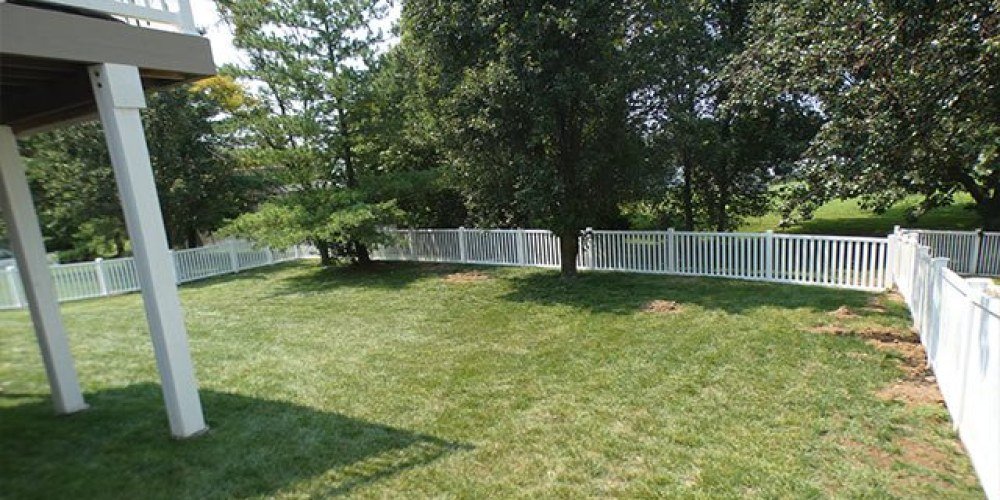
If you are comparing fence materials for a St. Louis yard, lifespan usually matters more than brochure claims. When homeowners ask me how long vinyl fences last, I tell them the answer depends less on the panel surface and more on posts, drainage, and seasonal soil movement.
This guide explains the real lifespan range, how St. Louis weather affects durability, and what shortens service life faster than most people expect.
A vinyl fence in St. Louis typically lasts 20 to 30 years, with 50+ years possible when installation, drainage, and material quality are all strong.
Key Takeaways
- Most vinyl fences in St. Louis last 20–30 years, with longer lifespans possible under ideal conditions
- Posts and footings, not panels, are the most common failure point
- Freeze-thaw cycles and soil movement are the biggest local lifespan risks
- Proper drainage and installation depth significantly extend fence life
- Vinyl outlasts wood in many local yards due to moisture resistance and low maintenance
- Gates and hardware typically wear out before panels and rails
- A fence can look fine but still fail structurally below grade
What Is Vinyl Fencing?
Vinyl fencing is a synthetic fence system made from PVC (polyvinyl chloride) designed to resist moisture, rot, and insect damage while requiring minimal maintenance.
It is commonly used for privacy, decorative, and perimeter fencing due to its durability, weather resistance, and long-term cost efficiency.
How Long Does a Vinyl Fence Last?
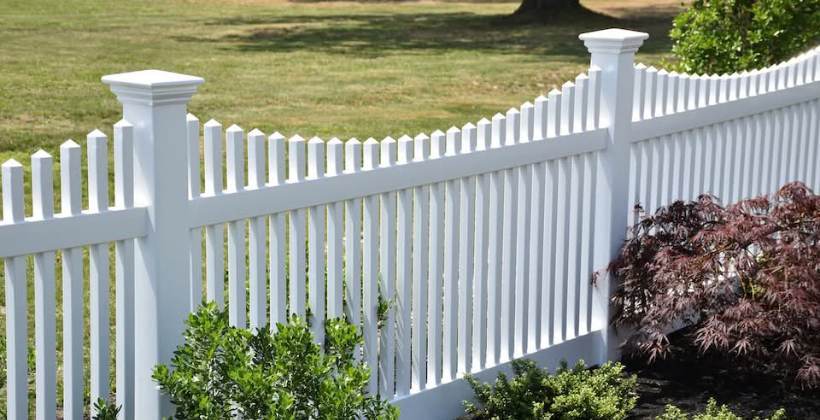
Vinyl fences typically last 20 to 30 years, with some reaching 50 years or more under ideal conditions, but that range depends heavily on several factors like installation quality and the environment.
In St. Louis, the lifespan of a vinyl fence is mainly determined by material quality, installation quality, and site conditions, with most early failures tied to posts, footings, and gates rather than the vinyl itself. In practice, structural performance matters far more than surface appearance.
When I evaluate lifespan, I focus on:
- Material quality: PVC quality, wall thickness, and UV resistance
- Installation quality: post depth, footing strength, and spacing for movement
- Site conditions: drainage, sun exposure, and wind load
Real-world evidence backs this up. On the Emht job in Imperial, 29 July 2026, we installed 160 linear feet of white vinyl spaced picket fence to match a neighbor’s fence we had installed about 10 years earlier. That older fence was still standing and functional after a decade – the exact style was discontinued, but the posts and structure had held up, which is the kind of long-run proof a brochure can’t give you.
| Factor | Impact on Lifespan | Why It Matters |
|---|---|---|
| Post depth & footing | Very High | Controls structural stability |
| Drainage | Very High | Prevents soil weakening and leaning |
| Vinyl quality | Medium | Affects cracking and fading |
| Installation spacing | High | Allows for expansion/contraction |
| Sun & wind exposure | Medium | Adds stress over time |
The Impact of Vinyl Quality: Thickness, UV Inhibitors, and Cold-Weather Brittleness
Higher-quality vinyl fencing resists fading, cracking, and brittleness through thicker walls and UV inhibitors, which is especially important in varied climates where lower-grade materials can fail faster under seasonal stress.
Cold weather exposes quality gaps fast. Synthetic fencing has been used since the 1980s and is known for low maintenance and weather resistance, but cheap formulations can become brittle during winter snaps, which means a bump from lawn equipment or wind-blown debris does more damage.
The Impact of Installation Quality: Posts, Footings, Spacing, and Gate Framing
I have found that proper vinyl fence installation, especially post depth, footings, spacing, and gate framing, has the biggest impact on how long a vinyl fence lasts. Most failures start below ground, not in the panels, making structural setup far more important than surface materials.
Common installation issues that reduce lifespan:
- Shallow posts that shift during freeze-thaw cycles
- Weak or undersized footings that fail to stabilize the fence
- Tight spacing that restricts expansion and contraction
- Poor gate framing that causes sagging and misalignment
Vinyl naturally expands and contracts, so proper installation allows movement while keeping the structure rigid where it matters most.
The Impact of Site Conditions: Soil Drainage, Sun Exposure, and Wind Loads
Soil drainage, sun exposure, and wind loads directly impact how long a vinyl fence lasts. Even high-quality materials can fail early if the site conditions create ongoing stress at the posts or across the panels.
I treat site exposure as a structural factor, not a cosmetic one. Poor drainage weakens soil and increases leaning risk, while full sun accelerates expansion and material fatigue. Open, windy areas add stress, especially on privacy fences, which makes proper layout and reinforcement critical from the start.

How St. Louis Weather Impacts Vinyl Fence Longevity
The local St. Louis climate creates repeated stress cycles: over 40 freeze-thaw cycles per year, about 41 to 45 inches of annual precipitation, and temperature swings from around 20°F in winter to above 90°F in summer. Those numbers matter because they explain why settling is often the real lifespan limit in this market.
- Freeze–Thaw Cycles and Post Movement: Repeated freeze-thaw cycles (40+ per year) cause soil to expand and contract around fence posts, leading to frost heave, seasonal leaning, and gate misalignment. Damage often isn’t visible on the panels; look for shifting, gaps, or latches that stop lining up after winter.
- Rainfall, drainage, and water pooling: With 40+ inches of annual rain, poor drainage can saturate soil and weaken post stability over time. Vinyl won’t rot like wood, but standing water around footings reduces structural support, leading to gradual leaning or wobble even if the fence still looks fine.
- Temperature extremes and expansion/contraction: Temperature swings from ~20°F to 90°F+ cause vinyl to expand and contract throughout the year. Proper spacing allows for this movement, but poor installation can lead to bowing, rail separation, or stress noises, which makes climate and install quality equally important.

Vinyl vs. Wood in St. Louis: Longevity and Maintenance Reality Check
Vinyl fencing typically lasts longer than wood in St. Louis because it resists moisture, rot, and insect damage, while wood depends on consistent maintenance to reach its full lifespan. In this climate, humidity, rainfall, and shade often accelerate wood deterioration more than vinyl wear.
| Feature | Vinyl Fence | Wood Fence |
|---|---|---|
| Lifespan | 20–30+ years | 10–20 years (varies) |
| Maintenance | Low | High |
| Moisture resistance | Excellent | Poor |
| Rot risk | None | High |
| Cost over time | Lower long-term | Higher due to upkeep |
For St. Louis homeowners, moisture and humidity make that distinction practical rather than theoretical. If you are deciding between wood and vinyl, the tradeoff is often lower upkeep and more predictable lifespan versus lower upfront cost and more maintenance variability.
Care and Upkeep That Extends Vinyl Fence Life
I describe vinyl as low chore, not zero attention. Cleaning, hardware checks, and drainage awareness extend service life without turning the fence into a weekend project.
That framing matches the broader maintenance-free focus that many homeowners want from affordable vinyl fences. The biggest differentiator with maintenance-free outdoor products is reduced upkeep, not immunity from weather, hardware wear, or standing water.
Cleaning: What I Recommend
I recommend mild soap, water, and a soft brush for routine cleaning, with targeted mildew treatment where needed. Rinse thoroughly so residue does not attract dirt or leave streaking on lighter colors.
I avoid harsh solvents and aggressive pressure washing. Those methods can etch the surface, loosen components, or force water into joints where it does not help anything.

Seasonal Hardware Check for St. Louis Winters
I check hinges, latch alignment, and gate swing clearance after winter because freeze-thaw movement often shows up there first. Before winter, I clear drainage paths so water does not collect and freeze around posts.
If you have a pool fence, this check matters even more because self-closing gates and latching hardware are safety components, not convenience features. A fence can look fine and still fail where it matters most.
St. Louis Examples: What Longevity Looks Like in Different Property Setups
I have seen the same vinyl product age in three different ways depending on drainage, wind, and grade. That is why “maintenance-free” focus works as a material strategy, but site conditions still decide how long the structure stays straight and functional.
These examples are useful because they turn abstract lifespan talk into decision-making. The biggest differentiator in fence performance is often exposure and installation detail, not the brochure label on the panel.
Shaded, Damp Backyards Near Creeks or Low Spots
I expect vinyl to hold its appearance well in damp shade because it avoids rot, but I watch the posts closely if soil stays saturated. In these yards, drainage planning usually matters more than panel quality alone.
Algae or mildew on the surface is usually a cleaning issue, not a failure issue. A grade that sheds water away from posts protects lifespan more than frequent washing does.
Open Lots With Wind Loads
I treat an open, windy lot as a privacy fence stress test. Wind load increases pressure on rails, brackets, and gate posts, so reinforcement and footing strength become more important than the panel face.
Occasional panel rattle can be an early clue. It may signal loose brackets, thermal movement problems, or a structure that is starting to flex more than it should.
Sloped Yards and Terraced Installations
I pay attention to runoff and stress concentration on sloped sites. Stepped and racked layouts can both work, but each creates different pressure points and gap patterns that affect long-term stability.
Erosion control matters here more than many homeowners expect. If runoff keeps washing soil away from a few key posts, the fence can age unevenly and fail section by section.
On the Weis job in Fenton, 13 August 2026, the yard had a real slope where a double drive gate needed to sit. Our salesman measured the degree of the slope on site, and our shop built the two gate sections with a 7-inch drop so they would follow the grade and still swing correctly. A gate that does not account for slope is one of the fastest ways a fence starts failing early.
When to Repair vs. Replace a Vinyl Fence
You should repair a vinyl fence when the posts are stable and the issue is isolated, but replacement is usually the better option when posts or footings are failing across multiple sections.
In most cases, structural movement, not panel damage, drives the replacement decision. Compatibility also affects the decision. Older profiles, caps, and colors can be harder to match, which means a structurally minor repair may still look patchy even when it functions well.
| Situation | Best Option | Why It Matters |
|---|---|---|
| Isolated panel damage | Repair | Structure is still sound |
| Single loose or leaning post | Repair | Can often be reset or reinforced |
| Multiple leaning or shifting posts | Replace | Indicates widespread structural failure |
| Gate sagging or misaligned | Repair | Typically hardware or post adjustment |
| Faded, brittle, or aging material | Replace | Material breakdown affects multiple areas |
| Outdated style or poor install | Replace | Hard to match and fix long-term issues |
Key Takeaways for St. Louis Homeowners
I would set expectations this way: most vinyl fences last 20 to 30 years, longer when material quality, footing work, and drainage are all strong. In St. Louis, freeze-thaw cycles, poor drainage, and weak installation shorten lifespan faster than normal surface aging.
Your inspection priorities should be posts first, gates second, drainage third, and panels after that. Vinyl is low-maintenance fencing, not zero-attention fencing, especially after winter and heavy rain.
If you’re ready to get started with a new fence, reach out to us today for a free estimate, or call 636-464-1144 directly.
FAQ
How long does a vinyl fence last on average?
I usually tell homeowners to expect about 20 to 30 years in normal residential use. Longer life is possible when the vinyl is high quality and the posts and footings are installed correctly.
What makes a vinyl fence wear out faster?
Early failure usually starts with post movement, poor drainage, underbuilt gate corners, or low-grade vinyl that becomes brittle. The pickets are rarely the first thing to fail.
Does vinyl fencing crack in cold weather?
Quality vinyl is designed for weather swings, but lower-grade material can become more brittle during cold snaps. That makes impact damage and hairline cracking more likely in winter.
Is vinyl fencing better than wood in St. Louis?
For many St. Louis yards, vinyl has the edge because it will not rot or need repainting. Wood can still perform well, but its lifespan depends more on consistent sealing and board replacement, especially in damp or shaded areas.
How do I know if my vinyl fence needs repair or replacement?
If the posts are plumb and firm, repair often makes sense for panels, caps, or hardware. If multiple posts lean or shift seasonally, replacement or resetting posts is usually the lasting fix.