Skip to main content


The main types of fences are vinyl, aluminum, ornamental steel, and wood, and each one trades off cost, upkeep, and security differently. For most St. Louis yards, vinyl or aluminum wins on cost over time, and steel wins on raw security. Wood costs less to buy but needs yearly upkeep and rarely reaches its full 20-year lifespan. Vinyl, aluminum, and ornamental steel need almost none.
We install vinyl, aluminum, and ornamental steel. The sections below weigh real trade-offs rather than push you toward one material. See our vinyl, aluminum, and steel pages for the real jobs and specs behind each material. Or call 636-464-1144 and ask what a straight-across price looks like for your yard.
| Material | Cost per Foot, Installed | Typical Lifespan | Maintenance | Privacy |
|---|---|---|---|---|
| Wood | Lower to buy, more over time | Up to 20 years, with yearly care | Yearly cleaning and staining | Yes, solid boards |
| Vinyl | $45 to $75 | 20 to 30 years | Occasional rinse | Yes, solid panel |
| Aluminum | $20 to $45 | Lifetime limited warranty | Occasional rinse | No, open picket |
| Ornamental Steel | Above aluminum | 20 years to lifetime, by grade | Occasional rinse | No, open picket |
| Chain Link | Lowest to buy | Years, rusts at cut ends | Minimal | No, unless slatted |
Wood Fences
Wood is the fence most people picture first, and it has a real natural look nothing else fully matches. A well-built wood fence can last up to 20 years, but that number assumes yearly cleaning and re-staining. Skip a season or two and rot, warping, and insect damage show up fast.
We do not install wood fencing. If low upkeep matters more to you than a stainable look, wood is not the right choice. That is true no matter who installs it. Want the wood look without the yearly maintenance? Our composite fencing mimics wood grain and stone texture, with no rot risk.
Vinyl Fences
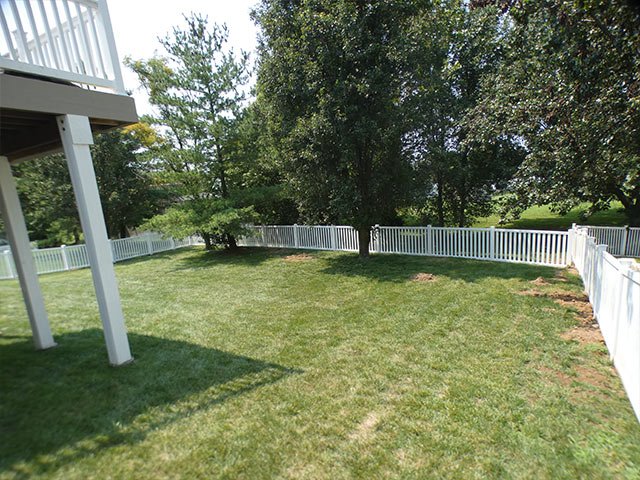
Vinyl is solid PVC, so it blocks sightlines completely and needs almost no upkeep beyond an occasional rinse. We were at the Emht property in Imperial on 29 July 2026. The job: a 160-foot run of white vinyl spaced picket fencing. It matched a neighbor’s fence we had put in about 10 years earlier. When we walked the two fence lines side by side, we found no difference in color or straightness. The new panels matched the decade-old ones exactly. That older fence had held up fine for a decade already, still standing and doing its job with no repairs. That is real evidence, not a marketing claim.
Bufftech vinyl is the brand behind the Emht job above. It comes in privacy, semi-privacy, and picket styles. Colors run from white to almond, clay, and a few blended shades. It typically lasts 20 to 30 years and runs $45 to $75 a foot installed in the St. Louis area.
Vinyl is not for you if you want to see through the fence. A solid panel is the whole point of the material. That trade-off stays no matter which style you pick. Full pricing and style options are on our vinyl fence installation page.
Aluminum Fences
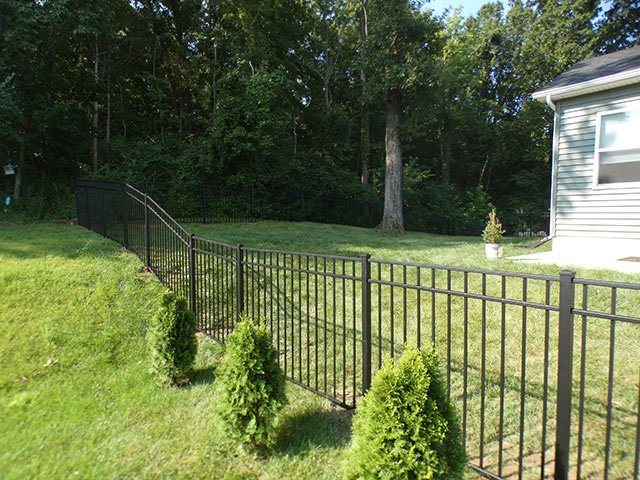
Aluminum is an open picket style. You keep your sightline while still fencing in a yard, pool, or pet area. The Criscione job in Eureka came with one restriction: the homeowners association allowed only a single approved fence style for the whole subdivision. We installed matte black Elite aluminum, and it cleared design review with zero changes requested.
Elite offers this aluminum in four grades — residential, commercial, industrial, and heavy industrial — with the higher grades built to take more force. Picket spacing can also be ordered tighter for small dogs or cats. It runs $20 to $45 a foot installed, usually $25 to $40. The material itself carries a lifetime limited warranty, filed directly with Elite rather than through us.
Aluminum will not give you privacy. A picket can also bend under a hard enough impact, since the material is lightweight. Steel solves both of those problems at a higher price. See our aluminum fence installation page for grade specs and more job photos.
Ornamental Steel Fences
Steel is the strongest of the three materials we install. A welded frame takes more force to bend or breach than aluminum’s bolted-together sections. That is why steel shows up on commercial sites and high-security jobs.
We have not yet installed and photographed a steel job for this site. There is no in-house case study to link here yet. The specs below are Ameristar’s own published numbers, not something we measured ourselves. Ameristar’s Montage line uses pre-galvanized steel with an E-coat finish. The industrial-grade version carries a 20-year manufacturer warranty, and the residential line carries a lifetime limited warranty.
Steel is priced above aluminum once you match height and style, and the added weight can slow installation down on a tricky site. If your only goal is a decorative touch around a flower bed, that extra strength buys you nothing you need. Save the higher cost for a spot that actually calls for it. Full grade and finish specs are on our steel fence installation page.
Chain Link Fences
Chain link is steel wire woven into a diamond pattern and stretched between posts. It is the cheapest fence to buy, it is see-through, and it holds up for years with almost no care. That combination is why it shows up around dog runs, ballfields, and plain property lines.
We do not install chain link. The cut ends of the galvanized wire rust over time. The open diamond pattern also gives you zero privacy unless you thread slats through it, and most homeowners end up disliking that look within a year. If you want that same open, budget-friendly sightline without the rust risk, see how chain link stacks up against aluminum before you decide.
Other Types You Might See Listed
Search around and you will also find other names on fence-type lists: split rail, bamboo, and electric or invisible fencing. Split rail and bamboo mark a property line without giving privacy or security. We do not install either.
Invisible or electric fencing is not really a fence at all. It is a pet-containment system, and it will not stop a person from entering your yard or keep a deer out of your garden. If keeping a pet in the yard is the actual goal, compare invisible fencing against a regular fence first.
Which Fence Type Actually Fits Your Yard
- Want privacy? Vinyl. Nothing else on this list blocks a sightline completely.
- Want to keep your view? Aluminum. Open pickets, and it clears most HOA style rules.
- Want maximum security? Steel. Heavier, stronger, and harder to breach.
- Want the lowest cost per foot? Aluminum, usually $20 to $45 a foot, beats vinyl and steel on price.
- Want a natural wood look with none of the upkeep? Look at composite fencing instead of real wood.
One common courtesy question we get: which side of the fence should face your neighbor? Most installers, us included, turn the finished side toward the neighboring yard as standard practice. Nothing legally requires it in most St. Louis municipalities, but it is the polite default.
Frequently Asked Questions
What is the most cost-effective type of fence for a backyard?
Aluminum usually wins on cost per foot, running $20 to $45 a foot installed. Wood can cost less to buy, but yearly staining and earlier replacement often erase that savings within a decade.
Which fence type requires the least maintenance?
Vinyl, aluminum, and ornamental steel are all close to tied here. None of them need more than a quick hose-down now and then. Wood is the clear outlier, needing yearly cleaning and staining to reach its full lifespan.
What type of fencing is most durable?
Ornamental steel is the strongest of the four, followed by aluminum. Vinyl holds up well against weather and rot. It is softer than either metal, though, and can crack under a hard direct impact.
What are the downsides of composite fencing?
Composite costs more up front than wood, and color options are more limited than vinyl. It also cannot fully replicate the exact grain pattern of real wood, though it comes close enough for most homeowners.
Which is better, composite or vinyl fencing?
Vinyl wins on color range and price. Composite wins if you specifically want a wood-grain or stone look without wood’s maintenance. Neither one rots, and both beat wood on long-term cost.
Getting a Price for Your Yard
Every vinyl, aluminum, and steel job on this page is handled start to finish by our own crews, not a subcontractor. That’s true anywhere in St. Louis or the Metro East. We back the labor with a one-year workmanship guarantee, on top of whatever warranty the manufacturer carries. We’re a listed Catalyst installer. You can check that for yourself at catalystfence.com’s own installer search before deciding who fences your yard.
Here’s what actually happens after you reach out:
- First, call 636-464-1144 or request an estimate online.
- Then we walk the yard with you and measure each run you want fenced.
- After that, you get one written price with each material broken out separately, not guessed at or bundled together.
- Finally, you decide on your own timeline. Nobody is pressuring you to sign the day we measure.
Our Arnold showroom keeps samples of vinyl, aluminum, and steel. Stop by to see the color and weight in person before deciding. Local homeowners have written up their own experience working with us — read it on our reviews page.