Skip to main content

Vinyl, aluminum, and ornamental steel fences all clean the same basic way: warm water, a mild soap, and a soft cloth or a garden hose. None of them need the yearly power-washing and re-staining a wood fence does. The exact method changes by material, though. A couple of common household cleaners will damage the wrong one, so use the section below that matches what you own.
We install vinyl, aluminum, and ornamental steel fencing across St. Louis, and every one of them is built to need almost no upkeep. In our experience walking these yards afterward, we often find the owners who rinse twice a year never call us about anything worse than pollen fill. “Almost none” still means an occasional rinse, so here is exactly how to do it right for each material.
How to Clean a Vinyl Fence
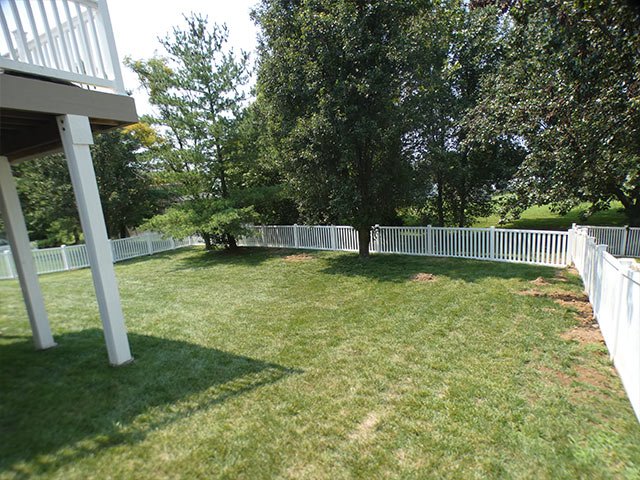
Vinyl is the easiest of the three to clean, and most of the time a garden hose is all you need. For everyday dirt and winter mud splash, spray the fence down from top to bottom, working both sides of the panel.
What to use: warm water, a few drops of Dawn dish soap, and a soft cloth or sponge.
- First, hose the panel down to knock off loose dirt before you scrub anything.
- Then mix a few drops of Dawn into a bucket of warm water and wipe the panel down with a soft cloth or sponge.
- After that, rinse it clean with the hose so no soap film is left to attract more dust.
For algae or green staining on the shaded side of a panel, mix one part white vinegar with four parts water. Spray it on and let it sit five minutes. Scrub lightly with a soft brush, then rinse. Never mix vinegar with bleach or a chlorine-based cleaner. The combination produces chlorine gas, and that gas is dangerous to breathe. Use vinegar alone, and rinse it fully before trying anything else.
Pressure washing vinyl is generally safe at a moderate setting, 1,500 to 2,000 PSI, held at least a foot from the panel. Get closer or go higher and you risk driving water into the seams. A magic eraser works on stubborn scuff marks. It can dull a glossy finish with repeated use, so save it for spot treatment, not the whole fence.
If you’re shopping for a new fence instead of maintaining one, our vinyl fence installation page covers colors, styles, and what a new one runs.
How to Clean an Aluminum Fence
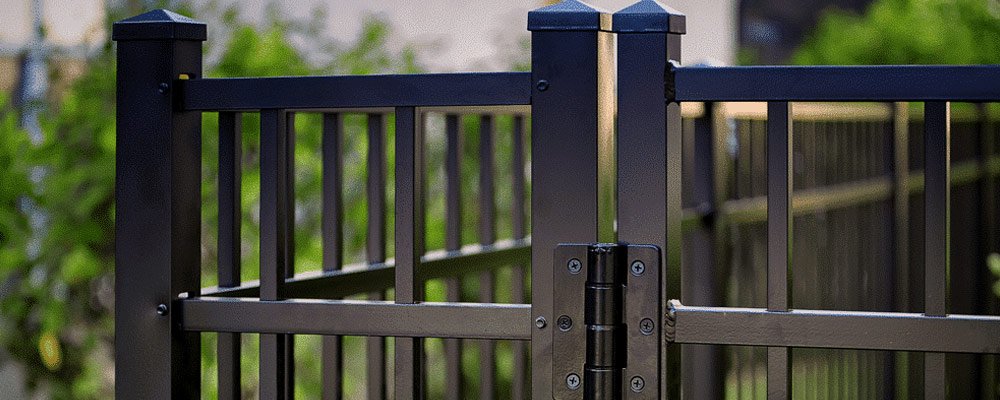
Aluminum needs the least attention of any material on this page. A soft, dry or slightly damp cloth wiped along the rails and pickets a few times a year handles ordinary dust and pollen. For anything sticky or caked-on, warm water with a drop of dish soap is enough.
Do not use vinegar or any acidic cleaner on aluminum. Vinegar is fine on vinyl and steel. Aluminum’s powder-coat finish is thinner, though, and acid strips it. That exposes bare metal underneath to corrosion. This is the one material here where the vinyl-safe method will actively damage the fence.
Aluminum also handles pressure washing at a low setting. It rarely needs it, though. A garden hose rinses off pollen and dust just as well, with no risk of forcing water behind the powder coat at a seam.
Thinking about switching to aluminum? Our aluminum fence installation page has the grades we carry and photos from real yards.
How to Clean an Ornamental Steel Fence
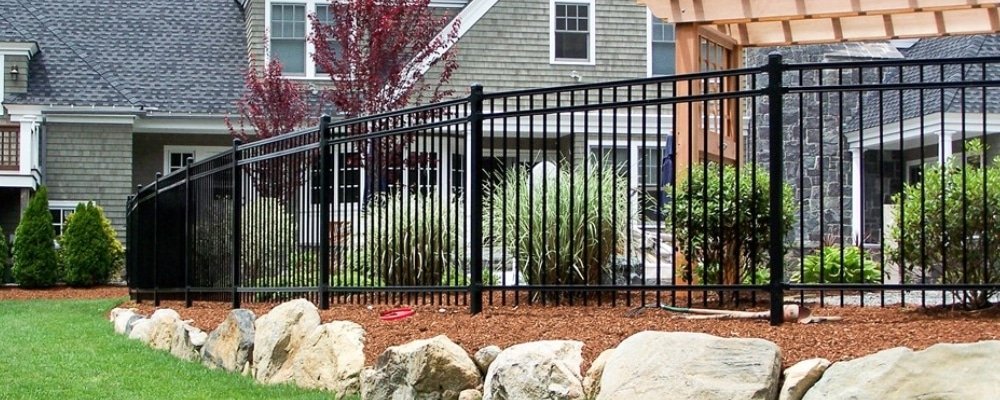
Steel takes a bit more effort than aluminum. The ornamental detail work – scrolls, finials, tighter picket spacing – collects more grime in the joints. Wash it by hand rather than with a pressure washer. A pressure washer can chip the surface coating at close range, and once that coating breaks, the exposed steel underneath starts to rust.
What to use: warm water with a squirt of dish detergent, a soft cloth for the flat rails, and a soft-bristle brush for the decorative joints. An old toothbrush works fine for the scrollwork. Work top to bottom, so you are not re-dirtying a section you already cleaned. Diluted vinegar is safe on steel too, the same as vinyl, for algae or hard-water spotting. Just avoid it on any section with visible paint wear. It can dull a painted finish over time.
Ready to price out steel instead? Head to our steel fence installation page for the Ameristar lineup and finish options.
How to Clean a Composite Fence

This composite fencing is a polyethylene shell reinforced with galvanized steel. It cleans closer to the steel method than the vinyl one. Wipe it down with a soft cloth and warm water for routine dust. For algae or built-up grime in the textured grain pattern, mix one part vinegar to four parts water, spray it on, and wipe it off.
Rinse the vinegar solution off completely with plain water afterward. Left to sit, the acid can react with the steel reinforcement over years of repeated exposure. Rinsing every time you clean avoids that entirely.
Frequently Asked Questions
Can I use Dawn dish soap on a vinyl fence?
Yes. A few drops of Dawn in warm water is one of the safest, most common ways to clean vinyl. It cuts through dirt without leaving residue and will not damage the surface.
What happens if you mix vinegar and dish soap?
Mixing them is not dangerous. The soap’s alkalinity cancels out the vinegar’s acidity, though, so the combination cleans worse than either one alone. Use dish soap for everyday grime. Use vinegar separately for algae or mineral staining.
What should you never mix with vinegar when cleaning a fence?
Never mix vinegar with bleach or any chlorine-based cleaner. The combination releases chlorine gas, which is dangerous to breathe. Use one or the other, never both, and rinse fully between products if you switch.
Is it safe to pressure wash a vinyl fence?
Yes, at a moderate setting of 1,500 to 2,000 PSI held at least a foot away from the panel. Higher pressure or a closer distance can force water into the seams or etch the surface.
How do you remove green algae from a fence?
Mix one part white vinegar with four parts water. Spray it on, let it sit five minutes, then scrub with a soft brush and rinse. That removes algae from vinyl, steel, and composite. Skip vinegar on aluminum. Use plain soap and water instead, since vinegar’s acidity damages aluminum’s powder coat.
Still Deciding on a Fence?
If your current fence needs more than a rinse to look decent again, that is usually a wood fence problem, not a maintenance-free one. Wood needs yearly cleaning and re-staining to reach its full lifespan. Vinyl, aluminum, and steel need only what is on this page, a few times a year at most.
This page is not for a cracked panel, a leaning post, or a section already stripped down to bare metal. That needs replacing, not a cleaner, and it is outside what this guide covers. For the ordinary rinse-and-wipe kind of upkeep above, that is the whole job.
Call 636-464-1144 and we’ll walk your yard and price out whichever material fits. Look us up first if you want: catalystfence.com’s own installer search lists us, since we’re a Catalyst-listed installer. St. Louis homeowners who’ve already had us out have posted their own notes on our reviews page.